
 MT (Malti)



Arkani Minuri · Xwabel (Arja)
Re ta' Xwabel
L-imħallef fuq it-tron ta' Pamela Colman Smith: il-moħħ ikkontrollat u mdawwar 'il barra, ġudizzju imparzjali miġruf fuq ix-xafra mikxufa tar-raġuni.
Read the complete guide: Re Tarot King of Swords: Gwida Sħiħa għas-Simboliżmu u t-Tifsira
Il-karta f'daqqa t'għajn
- Numeroloġija
- Re
- Element
- Arja (Nar tal-Arja)
- Astroloġija
- 20 grad f'Taurus sa 20 grad f'Gemini
- Mogħdija Kabbalistika
- Chokmah (Għerf)
- Żmien
- L-aħħar tar-rebbiegħa, minn Mejju sa Ġunju
- Iva / Le
- Kondizzjonali, iva għal dak li jiflaħ għal-loġika
Dritta
awtorità intellettwali
verità
strateġija
ġudizzju imparzjali
ċarezza
dixxiplina
tmexxija
komunikazzjoni ċara
Maqluba
manipulazzjoni
abbuż tal-poter
kefrija
ċiniżmu
tirannija
inflessibbiltà
loġika krudila
Re ta' Xwabel f'kull mazz
Kull mazz jimmaġina mill-ġdid l-istess arketip. Qabbel l-arti, imbagħad iftaħ mazz biex taqra l-interpretazzjoni sħiħa tiegħu.
Xbihat u simboliżmu
Pamela Colman Smith pinġiet ir-Re ta' Xwabel għall-gverta Rider tal-1909 bħala studju f'awtorità kiesħa u bilqiegħda. Huwa jpoġġi fuq tron u jħares lejn it-telespettatur dritt 'il quddiem, ħarsa fissa u kritika, il-ħarsa ta' ħassieb profond li ma jdurx lura minn verità iebsa. Fejn Smith tat lill-Kavallier attakk bil-galopp u lir-Reġina profil imdawwar 'il ġewwa, hija waħħlet lir-Re 'l quddiem u kwiet, figura li timxi fuq il-loġika u tirrappreżenta l-liġi, il-ġustizzja, u deċiżjonijiet ġusti u miżjuma bir-reqqa.
Ix-xafra wieqfa. Is-sejf b'xifer doppju jitla' f'idu l-leminija, l-id tal-azzjoni konxja, imxaqleb ftit miċ-ċentru. Smith pinġietu jipponta 'l fuq, sinjal ta' deċiżjoni u ċarezza ta' intenzjoni aktar milli ta' attakk, marka ta' attività u riżoluzzjoni spiritwali. Ix-xafra hija tqila u l-id li taqbadha tidher imqansħa, u għalhekk l-istampa ġġorr it-twissija tagħha: li żżomm il-moħħ daqshekk qawwi u daqshekk lest huwa piż reali li għandu jinġarr.
Il-paletta u s-sema. Smith libbsitu b'blu ċar, il-kulur tal-gverta għall-profondità tal-ħsieb u l-kalma, kontra sema bi sħab għoli u bil-mod. Is-sħab jirrappreżenta r-renju tal-arja u l-ħsieb, hawn ċar aktar milli mtajjar mill-maltemp, għalkemm jistgħu wkoll jindikaw kwistjonijiet kumplessi li għadhom qed jistennew li jinħadmu. L-għasafar jaqsmu s-sema warajh, il-moviment ħieles tal-ideat imwettqa fid-dinja.
It-tron u t-tinqix tiegħu. It-tron tal-ġebel huwa l-pedament tal-liġi u r-realtà oġġettiva, u gverti eqdem semmew din il-figura bħala r-Raġel tal-Liġi u poġġewh fuq il-bank tal-maġistrat. Smith naqqxet friefet fil-ġebla, l-emblema tal-gverta tat-trasformazzjoni u r-riġenerazzjoni, sinjal kwiet li s-sistemi tiegħu xorta jistgħu jinbidlu u l-firdiet qodma jistgħu jfiqu. Qmura nofsinhar ipoġġu ħdejhom, li jorbtu r-raġuni tiegħu ma' ħajta ta' intuwizzjoni li jżomm taħt kmand strett. Il-muntanji jogħlew fil-bogħod ħafna, l-ostakli diġà megħluba, u spazju intenzjonat jiftaħ bejn ir-Re u d-dinja ta' madwaru, id-distanza li tippermettilu jiġġudikaha mingħajr ma jinġibed ġewwa.
Tifsira ewlenija
Fil-qari ta' Rider-Waite-Smith, ir-Re ta' Xwabel huwa l-awtorità mibnija fuq l-intellett, il-kaptan tal-moħħ li jimxi 'l quddiem fuq il-loġika u ċ-ċarezza biss. Huwa jpoġġi fil-quċċata tas-sett tal-Arja, u bl-iskema elementali huwa n-Nar tal-Arja, ir-rieda li tmexxi l-intellett f'forza diretta, individwu qawwi, analitiku, kuraġġuż, u li jħobb argument iebes.
Ir-regola li tmexxih hija li jiddeċiedi fuq il-fatti u l-loġika u li jżomm il-burdata u l-emozzjonijiet li jgħaddu barra mill-kalkolu. Fl-aqwa tiegħu huwa l-ħassieb kritiku li jittestja twemmin li wiret minflok jafdah, jistaqsi jekk konvinzjoni stabbilita hijiex verament vera jew hix sempliċiment drawwa komda ta' ħsieb. L-awtorità tiegħu żżomm għax twieġeb għall-evidenza, mhux għall-ego.
Tifsira dritta
Dritt, jistabbilixxi ton ta' standards għoljin u evalwazzjoni friska. Imexxi bl-istrateġija u l-prinċipju ċar, iżomm ma' rutina dixxiplinata taħt pressjoni, u jittratta medda iebsa bħala marċ twil aktar milli sprint, iwissi milli tabbanduna eżatt qabel il-kisba.
Fl-imħabba. Ir-ras qed tmexxi l-qalb, u s-sentiment ġie mwarrab. Huwa jinġibed lejn moħħ qawwi u ugwaljanza intellettwali reali aktar milli lejn id-dehra, u r-rumanz taħt is-sinjal tiegħu jista' jinħass bħal stħarriġ bir-reqqa, fejn iżomm ruħu fuq difiża sakemm il-loġika tat-tqabbil tiġi stabbilita. Ladarba kommess, ir-rabta timxi fuq taħdit onest u strutturat u stabbiltà fissa aktar milli fuq passjoni spontanja, u għandha bżonn fruntieri definiti, peress li l-ambigwità hija dak li ma jistax isofri.
Fil-karriera. Ħafna drabi mentor jew figura ta' awtorità ta' rigorożità reali, imħallef, kirurgu, xjenzat, jew kmandant li jistenna xogħol mingħajr żbalji. Bħala l-enerġija tiegħek stess, jitolbok tmexxi bi strateġija, protokolli stretti, u evidenza ċara, u li żżomm ir-rispett tal-kollegi permezz tal-kompetenza, mhux il-volum.
Fil-finanzi. Ibni sistemi solidi u regoli sodi ta' ibbaġitjar, waqqaf ix-xiri emozzjonali impulsiv, u iffavorixxi investiment twil u paċenzjuż fuq spekulazzjoni. L-istruttura tegħleb ir-rieda hawnhekk. Jiggverna wkoll il-kuntratti u kwistjonijiet legali solvuti fuq il-fatti verifikabbli.
Fis-saħħa. Approċċ kliniku u dixxiplinat għall-ġisem: iddisinja sistema b'metriċi li jistgħu jitkejlu, ikkonsulta esperti vverifikati u riċerka riveduta minn sħab fl-istess qasam fuq id-dijanjosi amatorjali tiegħek innifsek, u ibni mistrieħ reali fir-rutina aktar milli timbotta lil hinn minn kull limitu.
Tifsira maqluba
Maqlub, jidher ir-Re Midrub. Maqtugħ mill-etika u l-mogħdrija, il-loġika tiegħu tinqata' mill-ġustizzja u tinbidel f'arma. Dan huwa l-abbuż ċar tal-poter, il-manipulazzjoni, il-vantaġġ intellettwali użat kontra nies li ma jistgħux ilaħħqu miegħu.
Ir-Re tad-dell huwa bla ħniena u ċiniku, il-moħħ kiesaħ iffukat fuq l-għan tiegħu hi x'inhi l-ispiża umana, il-kunfident u l-uffiċjal korrott li ma jħoss xejn. Il-qarrejja jorbtu din il-karta mal-karatteristiċi narċissistiċi u tat-trijade skura, l-ilsien tal-fidda li jimmanipula l-moħħ billi jdawwar il-kliem sakemm l-idea egoistika tiegħu tinstema' qisha tiegħek. F'dan l-istat huwa jmexxi l-madwar tiegħu permezz ta' bullying mentali u assenza assoluta ta' limiti etiċi.
Fl-imħabba. Sieħeb li juża l-intellett biex jiddomina jew ibaxxi l-ieħor, taħdit li huwa awtorevoli u litterali imma mnaddaf mill-empatija li kieku kienet twasslu b'mod ġentili.
Fil-karriera. Tirann li jikkontrolla permezz tat-tort u l-manipulazzjoni, jew ir-raġunament tiegħek stess li sar riġidu u kiesaħ lejn in-nies li taħdem magħhom.
Fil-finanzi. Kalkolu kiesaħ li jinjora l-ispiża umana, jew nuqqas ta' strateġija li jidher bħala deċiżjonijiet mgħaġġla u opportunitajiet mitlufa.
Fis-saħħa. Estremiżmu riġidu li jinjora l-limiti reali tal-ġisem, kontroll eċċessiv u reġimen strett wisq li jnaqqsu aktar enerġija milli jibnu.
Noti storiċi
L-arketip kien għal żmien twil ir-Raġel tal-Liġi. Il-gverta ta' Etteilla ssejjaħlu l-Homme de Robe, il-maġistrat bil-libsa, u taqra s-sedil tal-ġebel tiegħu bħala l-bank ġudizzjarju, figura ta' regoli u verdetti. Il-koordinati moderni ġejjin mill-Ordni Ermetika tad-Dawn tad-Deheb, li ffurmat l-indirizz astroloġiku u Kabbalistiku tiegħu.
Nota dwar l-ismijiet hawnhekk hija importanti. Id-Dawn tad-Deheb u Crowley reġgħu bnew il-qorti bħala Kavallier, Reġina, Prinċep, u Prinċipessa, u b'hekk it-tewmi enerġetiku ta' din il-karta fil-gverta ta' Thoth għandu t-titlu ta' Kavallier ta' Xwabel, il-Mulej tar-Rjieħ u l-Iżiffa, u xorta n-Nar tal-Arja. Tkun xi tkun it-tikketta, it-tifsira tibqa' l-istess: il-ħakma attiva u 'l barra tal-intellett. A.E. Waite u Pamela Colman Smith taw lill-figura bilqiegħda tħares 'il quddiem il-forma definittiva tagħha meta l-gverta Rider dehret fl-1909, u kienet ix-xbieha ta' Smith li l-qari modern kiber madwarha.
Korrispondenzi
Grad. Ir-Re, tmexxija allinjata u l-ħakma 'l barra tal-element, il-moħħ użat biex jifforma d-dinja esterna aktar milli l-waħda ta' ġewwa biss.
Astroloġija. Bl-iskema tad-Dawn tad-Deheb huwa jmexxi minn 20 grad f'Taurus sa 20 grad f'Gemini, bejn wieħed u ieħor mill-11 ta' Mejju sal-10 ta' Ġunju, jieħu l-ħsieb veloċi u komunikattiv ta' Gemini u jniżżlu fl-istruttura rasu iebsa ta' Taurus. Huwa għandu awtorità konjittiva fuq is-Sebgħa ta' Pentakli, it-Tmienja ta' Xwabel, u d-Disgħa ta' Xwabel. Il-kummentarju tal-gverta stess jaqrah minflok taħt Aquarius, arja fuq arja, imexxi l-ħdax-il dar ta' gruppi u movimenti, bl-oriġinalità u l-kuxjenza soċjali tas-sinjal tal-arja fiss.
Element. In-Nar tal-Arja, ir-rieda tinxtegħel permezz tal-intellett f'forza diretta.
Kabbalah. Kull Re jpoġġi f'Chokmah, it-tieni sfera, Għerf, hawn jaħdem fi ħdan Yetzirah, id-dinja formattiva tal-Arja. Huwa l-mutur primarju tal-ħsieb, l-ispark li jordna l-kaos f'struttura li tinftiehem.
Żmien u iva jew le. Jxaqleb lejn l-aħħar tar-rebbiegħa. Bħala iva jew le huwa kondizzjonali, iva għal dak kollu li jiflaħ għar-raġunament onest u le għal dak li jonqos, għaliex jiddeċiedi fuq il-fatti aktar milli fuq is-sentimenti.
Perspettiva psikoloġika
Ir-Re ta' Xwabel huwa l-arketip tas-Sistema, il-figuri tal-awtorità u l-istrutturi soċjali li jiffurmaw l-imġiba bil-kwiet. Fl-aqwa tiegħu huwa jisfida l-paradigma, u jisforzak biex teżamina l-assunzjonijiet, il-preġudizzji, u l-biżgħat assorbiti fit-tfulija u biex tistaqsi jekk iżommux bħala fatti. In-nies jibżgħu minn dak li ma jifhmux u jirreżistu li jerġgħu jiftħu kwistjoni li għalqu ħafna żmien ilu, u għalhekk din ir-riġidità ta' ġewwa ċċedi biss għal evidenza solida u raġunament nadif, u qatt għal appell emozzjonali.
It-twissija ċentrali tiegħu hija l-periklu ta' wisq loġika. Meta tkun imbuttata sal-estrem, iċ-ċarezza tal-moħħ issir għerja, is-silenzju sistematiku tal-għerf tal-qalb, ir-raġuni użata biex taqbeż is-sentiment. Il-karta titlob bilanċ bejn id-dixxerniment razzjonali u l-fehim emozzjonali. Fl-argument twil dwar kif iħoss, il-qarrejja jinqasmu f'żewġ naħat. Waħda hija l-vojt tar-rumanz, eżekutur li jittratta r-rabta bħala distrazzjoni ineffiċjenti u jista' jaqta' rabta mingħajr ma jitfarrak. L-oħra hija l-protettur feruċi, raġel li għandu sentimenti iżda jirrifjuta li jħallihom jidderieġu l-azzjonijiet tiegħu, iħares qallbu preċiżament għaliex jaf il-vulnerabbiltà tiegħu stess. L-għan tat-tkabbir tiegħu huwa awtorità empatetika, fejn jibqa' onest u sod filwaqt li xorta jkun ġentili dwar kif jaqa' l-kliem.
Ir-Re ta' Xwabel fil-gverti
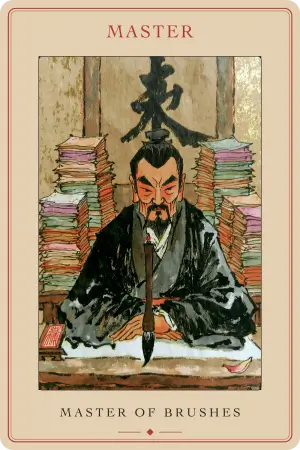
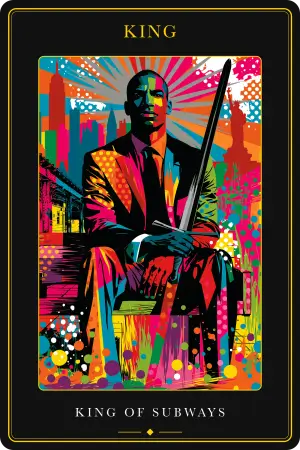
Rider-Waite-Smith. Ir-rappreżentazzjoni tal-1909 ta' Pamela Colman Smith hija r-referenza li l-karta moderna tinqara kontriha: jpoġġi fuq tron u jħares 'il quddiem, xafra 'l fuq, libsa blu ċara, friefet u qmura nofsinhar maqtugħin fil-ġebla, muntanji u għasafar warajh. L-għażla tagħha li tpoġġih bilqiegħda u tħarsu 'l barra, kalm u kritiku, hija dak li fasslet lilu bħala l-imħallef aktar milli s-suldat li qed jattakka.
Etteilla u tradizzjonijiet eqdem. L-Homme de Robe, ir-Raġel tal-Liġi, il-maġistrat li s-sedil tal-ġebel tiegħu jissostitwixxi l-bank, awtorità tar-regoli u l-verdetti.
Crowley-Thoth. Minħabba li Crowley biddel l-ismijiet tal-gradi, din l-enerġija tidher bħala l-Kavallier ta' Xwabel, il-Mulej tar-Rjieħ u l-Iżiffa, impitter minn Lady Frieda Harris, xorta n-Nar tal-Arja u l-istess ħakma 'l barra tal-intellett. Il-bidla hija waħda ta' titlu, mhux tal-essenza.
Qari komparattiv. Il-prattikanti jsinnuh kontra sħabu. Ir-Reġina ta' Xwabel tikkontrolla l-Arja fiha nfisha, filwaqt li hu jimponiha fuq l-ambjent, billi juża l-loġika u l-liġi biex imexxi lill-oħrajn. Ir-Re ta' Tazzi, in-Nar tal-Ilma, jonora l-emozzjoni fejn dan ir-Re jissopprimiha biex iżomm l-oġġettività tiegħu, u l-par jimmappa l-qasma antika tar-ras kontra l-qalb. Il-Kavallier ta' Xwabel huwa l-veloċità li hu jmexxi, is-suldat li jwettaq l-ordnijiet li r-Re huwa tant attent biex jifformula.
F'kombinazzjoni u fil-kuntest
Ir-Re jġib id-distakk kliniku tiegħu għal dak kollu li jpoġġi ħdejh. Mat-Tlieta ta' Xwabel jista' jimmarka niket intellettwalizzat, moħħ li janalizza żżejjed qalb maqsuma u jerġa' jgħix il-konversazzjonijiet biex isib raġunament biex joħroġ mill-uġigħ, twissija li problema ta' sentimenti m'għandhiex soluzzjoni ta' ħsieb. Fl-aqwa tiegħu, madankollu, hu jsellef il-kuraġġ biex tħares lejn tradiment b'mod ċar u tistabbilixxi l-konfini li ma jħalluhx jerġa' jseħħ. Mat-Torri huwa jibdel il-katastrofi fi tfixkil ikkalkulat, jiżżarma struttura miksura apposta biex jerġa' jibniha fuq verità soda. Mas-Sebgħa ta' Tazzi x-xafra tiegħu taqta' dritt minn ġol-illużjoni u t-tentazzjoni lejn għażla ċara.
Il-frizzjoni tiegħu mal-karti tal-ilma hija sinifikanti fl-imħabba. Ħdejn l-Ass jew it-Tnejn ta' Tazzi jħoss affezzjoni ġdida ġenwina iżda jirrifjuta l-veduta ottimista żżejjed, fejn iżomm l-imħabba flimkien ma' konfini sodi. Ħdejn il-Maħbubin huwa jżomm rabta profonda purament analitika, jagħmel l-għażla fuq loġika rigoruża aktar milli passjoni. Ħdejn ix-Xitan jew l-Għaxra ta' Xwabel id-dell tiegħu jixgħel, awtorità intelliġenti li tinforza kundizzjonijiet tossiċi u kontroll manipulattiv. Imqabbad mar-Reġina ta' Xwabel, it-tnejn jiffurmaw il-qawwa mentali aħħarija, koppja matura u bla nonsense li r-rabta tagħhom tista' xorta tbati minn nuqqas ta' sħana.
Mistoqsijiet għal riflessjoni
- Liema twemmin żammejt għaliex wirtu, imma qatt ma ttestjajtu kontra l-evidenza?
- Fejn qed tilħaq għal-loġika nadifa biex tevita li tħoss xi ħaġa li attwalment għandek bżonn tħoss?
- Tista' tibqa' kompletament onest u sod u xorta tkun ġentili dwar kif jaqa' kliemek?
It-tifsira ġenerali ssegwi l-qari ta' Rider-Waite-Smith, ir-referenza użata f'Tarot Academy kollha. Iftaħ mazz speċifiku hawn fuq għall-interpretazzjoni tiegħu.
Mistoqsijiet frekwenti
Esplora t-Tarot
L-aħħar artikli
Skopri l-għerf antik tal-karti tat-tarot u ftuħ il-misteri tal-vjaġġ spiritwali tiegħek. Il-blog tagħna huwa l-bieb tiegħek biex tifhem is-simboliżmu rikka, it-tifsiriet, u l-applikazzjonijiet prattiċi tal-qari tat-tarot.




















































