
 BG (български)

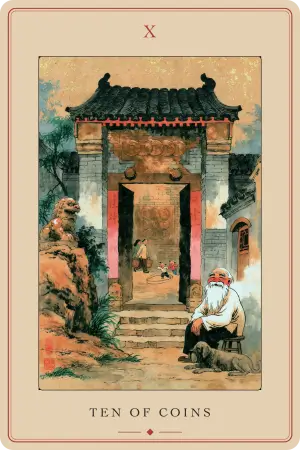
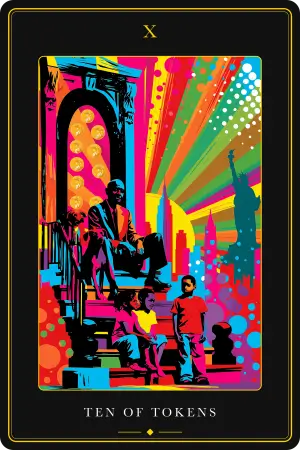


Малки аркани · Пентакли (Земя)
Десетка Пентакли
Семейното имение на Райдър-Уейт: три поколения под една арка, богатство, станало достатъчно солидно, за да бъде наследено.
Read the complete guide: Карти Таро Десетка Пентакли: Пълно ръководство за нейната символика и значение
Картата с един поглед
- Нумерология
- Десет
- Стихия
- Земя
- Астрология
- Меркурий в Дева (трети декан)
- Кабалистичен път
- Малкут (Царство)
- Време
- Късният сезон на Дева, краят на жътвата
- Да / Не
- В изправено положение „да“ · В обърнато положение „не“
Права
Наследство
Богатство на поколенията
Семейство
Постоянство
Сигурност
Наследяване
Традиция
Стабилност
Обърната
Спорове за наследство
Финансов крах
Семейни вражди
Златна клетка
Нестабилност
Нарушена традиция
Застой
Десетка Пентакли във всяка колода
Всяка колода преосмисля същия архетип. Сравнете изкуството, след което отворете дадена колода, за да прочетете нейната пълна интерпретация.
Изображение и символика
Сцената в колодата на Райдър-Уейт събира три поколения под една каменна арка. На преден план възрастен патриарх с побеляла брада седи на пейка, загърнат в тежка роба, бродирана с лозя. През арката се виждат по-млад мъж и жена, които стоят в двора на обширно имение, малко дете е до полата на майка си, а около тях има две бели кучета, като едното е в краката на стареца, а другото е под ръката на детето.
Тази колода разглежда семейството като картина на обществото и неговите установени ценности, където хармонията в дома се приема за основа на просперитета. Възрастният мъж носи мъдростта на дългия живот. Двойката е настоящото поколение, което се наслаждава на това, което има. Детето е бъдещето, за което е предназначено богатството, а играещото с кучето момче е символ на безгрижното и защитено детство. Лозята върху робата отбелязват дълъг и плодотворен живот, а гербът, изсечен в камъка, затвърждава темата за старите пари и наследеното положение. Каменната арка служи като портал между един етап от живота и следващия, а гравюрите по нея са бележка за изтичащото време. Къща с кула означава уединение и безопасност, замъкът в далечината показва постоянство и вече постигнати цели, а ясното синьо небе говори за стабилността на настоящите условия. Най-умишлено от всичко, десетте тежки пентакъла не са разпръснати, а са подредени в точния модел на кабалистичното Дърво на живота, поставено над домашната сцена, за да покаже, че земното богатство почива на духовен ред, където материалното и духовното се поддържат в баланс.
Основно значение
Десетка Пентакли завършва боята на земята, точката, където дългата работа се е превърнала в наследство. В тази колода тя се чете като реколтата на един добре изграден живот: богатство, благополучие, наследство и семейни традиции, които държат домакинството заедно. Орденът на Златната зора я нарича Господар на богатството, а нейната истинска тема е запазването и предаването на ресурсите, а не тяхното придобиване.
На Дървото на живота числото десет принадлежи на Малкут, Царството, последната сфера, където божествената енергия напълно се установява в материята. В земната боя това я прави Малкут в Асия, най-материалната стъпка от най-материалния свят, поради което картата стои толкова солидно. Десет носи и втора нотка. В нумерологията то затваря един цикъл и отваря следващия, движението от едно обратно към нула, така че пълнотата тук е платформа, от която да започнете отново, вместо задънена улица, като всичко вече изградено се запазва непокътнато, докато спиралата се издига нагоре.
Значение в изправено положение
Изправената Десетка Пентакли е една от най-успокояващите карти в колодата. Тя носи сигурност, която трае дълго, богатство, изградено върху основа, полагана с години, и успех, който надхвърля индивида и достига до семейството, екипа или общността. Постигнати са зрялост и материална стабилност, а наградата е тук, за да ѝ се насладите и да я споделите. Тази колода обвързва истинското богатство с повече от парите: с топъл дом, истинска семейна подкрепа и увереност в това, което предстои.
В любовта. Връзка, която е достигнала цялост, семеен живот, изграден върху комфорт и взаимно уважение. Картата потвърждава връзка, укрепена през дълго пътуване и превърнала се в нещо трайно, ценена заради нейната сигурност и мястото ѝ в по-широкия семеен живот.
В кариерата. Дългосрочна стабилност и трайна репутация, голям проект, доведен до завършек, или стъпка нагоре в рамките на установена структура. Тя благоприятства трайната институция или семейния бизнес пред рискованата краткосрочна игра, като ресурсите се управляват мъдро, а плановете стоят на твърда земя.
Във финансите. Просперитет, почиващ на солидна база: зрели активи, имоти, наследство и стабилна възвръщаемост от дългосрочни инвестиции. Достигате комфорта, на който сте се надявали, вече достатъчно сигурни, за да споделите това, което имате, с близките си хора.
В здравето. Силно, стабилно здраве, спечелено чрез балансиран живот, добра енергия и искрено удовлетворение от Вашето тяло. Като карта на родословието, тя също така посочва наследени модели, напомняне да познавате семейната история и да обърнете внимание на това, което тече в кръвта.
Значение в обърнато положение
Обърнатата Десетка Пентакли показва как солидната структура поддава. На материално ниво това е срутването на нещо, смятано за постоянно: фалиращ семеен бизнес, загубено имение, източени спестявания. Тъй като основата е изградена бавно, нейното падане се усеща тежко, често повличайки дългове и безпорядък сред няколко души едновременно. Тук често има и страх от промяна, нежелание да се отпусне хватката върху стабилността, както и търкания с роднини.
По-дълбоката сянка е токсичността на семейството и наследството. Тя показва горчиви битки за наследство, завещания, превърнати в оръжия, и роднини, третирани като пречки пред парите, а не като хора. Това е златната клетка на традицията, където достъпът до богатство се използва за налагане на подчинение и човек не може да живее честно, без да рискува семейното име. Понякога богатството наистина е налице, но щастието, което трябва да дойде с него, липсва. Работата, която картата изисква, често е трудното прекъсване: избиране на автономия пред наследство или поправяне на раните, които по-ранно поколение е предало.
В любовта. Връзка, която запазва формата си, но е загубила своя дух, или партньорство, подложено на напрежение от семеен натиск и започващо да се разпада.
В кариерата. Уж стабилна работа или институция, която тихомълком се проваля, или динамика в семейния бизнес, станала токсична и изтощителна.
Във финансите. Внезапна нестабилност, необмислено харчене, прекомерно разчитане на притежания или богатство, което застоява в безжизнен трезор, вместо да циркулира.
В здравето. Пренебрегнати физически основи, наследени лоши навици или телесните последствия от семейния стрес.
Исторически бележки
По-старата традиция на Марсилското таро изобразява Десетка Монети като геометрична подредба на пентакли без фигури, чието значение се чете от числото, а не от някаква сцена. Наративното изображение, което повечето хора познават, се появява през 1909 г. с колодата на Райдър-Уейт.
Памела Колман Смит, работеща под ръководството на Уейт, изпълва картата с алегория: застаряващият патриарх, имението, трите поколения и Дървото на живота, скрито в монетите. Някои тълкуватели свързват седящия старец с Одисей, най-накрая у дома в Итака, разпознат само от вярното си куче, образ на създателя на династия, който е станал чужденец в света, който сам е изградил. Емоционалната резервираност между фигурите е поставена там умишлено, тиха нотка на безпокойство под материалния триумф на повърхността.
Съответствия
Число. Десет, което на Дървото на живота е Малкут, Царството, крайната коагулация на енергията в материя. Това е завършване, а също и краят, който в крайна сметка трябва да се върне към Асото, за да започне отново.
Астрология. Меркурий в третия декан на Дева (приблизително от 12 до 22 септември). Меркурий управлява и е екзалтиран в Дева, така че интелектът и методът се сливат в това, което астролозите наричат техническа виртуозност, голямата визия, разбита на ежедневни, управляеми процедури. Това дава на картата нейното заглавие от Златната зора, Господар на богатството.
Елемент. Земя, чрез боята Пентакли: собственост, тяло, пари и осезаемият свят.
Кабала. Сефирата Малкут, най-ниската сфера в Асия, светът на действието, където висшите енергии най-накрая почиват в твърда форма.
Елементално достойнство. Като плътна карта на Земята тя закотвя разклада и заземява Водата и Огъня около нея, въпреки че натрупана с други тежки карти може да се чете като инерция, богатство, което е твърде установено, за да се движи.
Психологическа перспектива
Разглеждана за вътрешния живот, Десетка Пентакли е свързана с това, което човек наследява и предава нататък, и то не само в пари. Тя сочи към наследени мисловни модели, обичаите, навиците и предположенията, предавани чрез семейството, които служат като основа или бреме в зависимост от това колко съзнателно се разглеждат. Картата призовава човека да разграничи традиция, която го подкрепя, от такава, която го хваща в капан.
Кроули добавя предупреждение, което пасва точно на това: богатство, което спира да циркулира, започва да се разпада. Състояние без цел се превръща в застоял трезор, а семейство, държано заедно само от своите активи, губи своя живот. Тази колода предлага по-здравословния образ срещу този риск. Дядото не трупа запаси. Той седи в средата на семейната сцена и става свидетел на живота, който е помогнал да се създаде. Задачата на развитието е точно такъв вид управление, поддържане на структурата жива и щедра, вместо да се позволи тя да се втвърди в паметник или средство за контрол.
Десетка Пентакли в различните колоди
На фона на останалите основополагащи колоди, версията на Райдър-Уейт се отличава със своята човешка драма. Марсилското таро показва абстрактна подредба от десет монети, като значението се носи само от числото, без никаква семейна сцена. Тази колода дава на картата препълненото имение с неговите три поколения и Дървото на живота, вплетено в монетите, следвайки прочита на тази страница.
Колодата Тот на Кроули и Харис, която нарича картата Богатство, премахва човешките фигури заради десет златни монети, подредени като Дървото на живота на виолетов фон. Изображението прилича на тежък запечатан трезор, където Малкут е в дъното като най-голямата и тежка монета. Това представлява Адам Кадмон, първоначалният човек, в трезора на материалния свят и носи откритото предупреждение на Кроули, че изобилието отвъд определена точка губи своята динамика и започва да се разпада. Картата също така приканва към сравнение в рамките на един разклад: Десетка Чаши ѝ съответства по отношение на емоционалното удовлетворение, докато тук то е структурно, а Деветка Пентакли предлага самотен лукс, докато Десетката отговаря на цяла кръвна линия.
В комбинация и контекст
Десетка Пентакли се чете най-добре спрямо своите съседи. До Десетка Чаши тя маркира границата между структурния и емоционалния успех: брак, който е сигурен и проспериращ на хартия, не е същото като този, в който партньорите са дълбоко влюбени. До Деветка Пентакли отбелязва прехода от индивидуалното към колективното, от празник за един към доверителен фонд и имение, което трябва да се управлява за другите. В разклади за раздяла съвременните практици често я приемат като задънена улица, връзка, толкова кристализирала от история и гордост, че не може да помръдне, което превръща картата в тласък за изграждане на собствените основи вместо това.
Позицията я изостря. В слот за миналото тя сочи към установената сигурност, върху която е изградено настоящето. Като съвет тя препоръчва пускане на корени и грижа за това, което имате. Като резултат обещава траен успех, който може да бъде наследен. При въпроси с „да“ или „не“ тя дава силно „да“ в изправено положение, а обърната е „не“, което предупреждава, че земята, която сте смятали за твърда, може да поддава.
Въпроси за размисъл
- Какво изграждам сега, което искам да остане и след поколения?
- Кои от традициите, които наследих, са основа и кои тихомълком са се превърнали в клетка?
- Къде съм позволил сигурността да има толкова голямо значение, че съм пренебрегнал хората вътре в нея?
Общото значение следва интерпретацията на Райдър-Уейт-Смит, която е и отправната точка за Tarot Academy. Отворете конкретна колода по-горе за нейното собствено тълкуване.
Често задавани въпроси
Разгледайте Таро
Последни публикации
Открийте древната мъдрост на таро картите и отключете мистериите на вашето духовно пътуване. Нашият блог е вашата врата към разбирането на богатата символика, значения и практически приложения на таро четенето.




















































